





























The nasal septum divides the nose into two nasal passages. The lower ⅔ of the septum is made of cartilage, and the upper ⅓ is made of bone. Very few of us have a perfectly straight septum that neatly divides the nose into two symmetrical nasal passages. Instead, most of us have what’s called a “deviated” septum that’s bent to one side. Having a deviated septum doesn’t mean you need to have a surgery; but if it is crooked enough to cause airway or sinus problems, or if it causes recurrent nose bleeds, surgery may be the answer. Most commonly, people are born with a deviated septum. This happens when, in a developing fetus, the envelope of the nose doesn’t coordinate its growth with the septum. As a result, if the septum is too tall or too long to fit into the envelope of the nose, it bends accordingly to fit. Interestingly, you can also acquire a deviated septum in an injury that involves nasal trauma.
Read about Dr. Yagoda’s Integrative Post Operative Care Program
for patients in New York City (NYC), and Manhattan, New York (NY).
A deviated septum can contribute to cosmetic concerns, as it can give the nose a crooked appearance along the spine or bridge of the nose, or the base of the nose and nostrils. A deviated septum may result in functional issues such as breathing problems, acute and chronic sinusitis and sleep disorders including snoring and sleep apnea.
To straighten the septum, otolaryngologists (ear, nose, and throat specialists) use a surgical procedure called septoplasty. This surgery is often combined with other procedures that improve the appearance and function of the nose including rhinoplasty (nose job) and surgical treatment of sinusitis, sleep apnea, and nasal polyps.
It is important to realize that oftentimes a deviated septum, misshapen or enlarged turbinates, nasal polyps and chronic sinusitis may be overlooked and undiagnosed when someone is treated medically for allergies. When structural problems and allergies coexist, a joint treatment with medicines to treat allergies and surgery to correct structural problems, is necessary for optimal results.
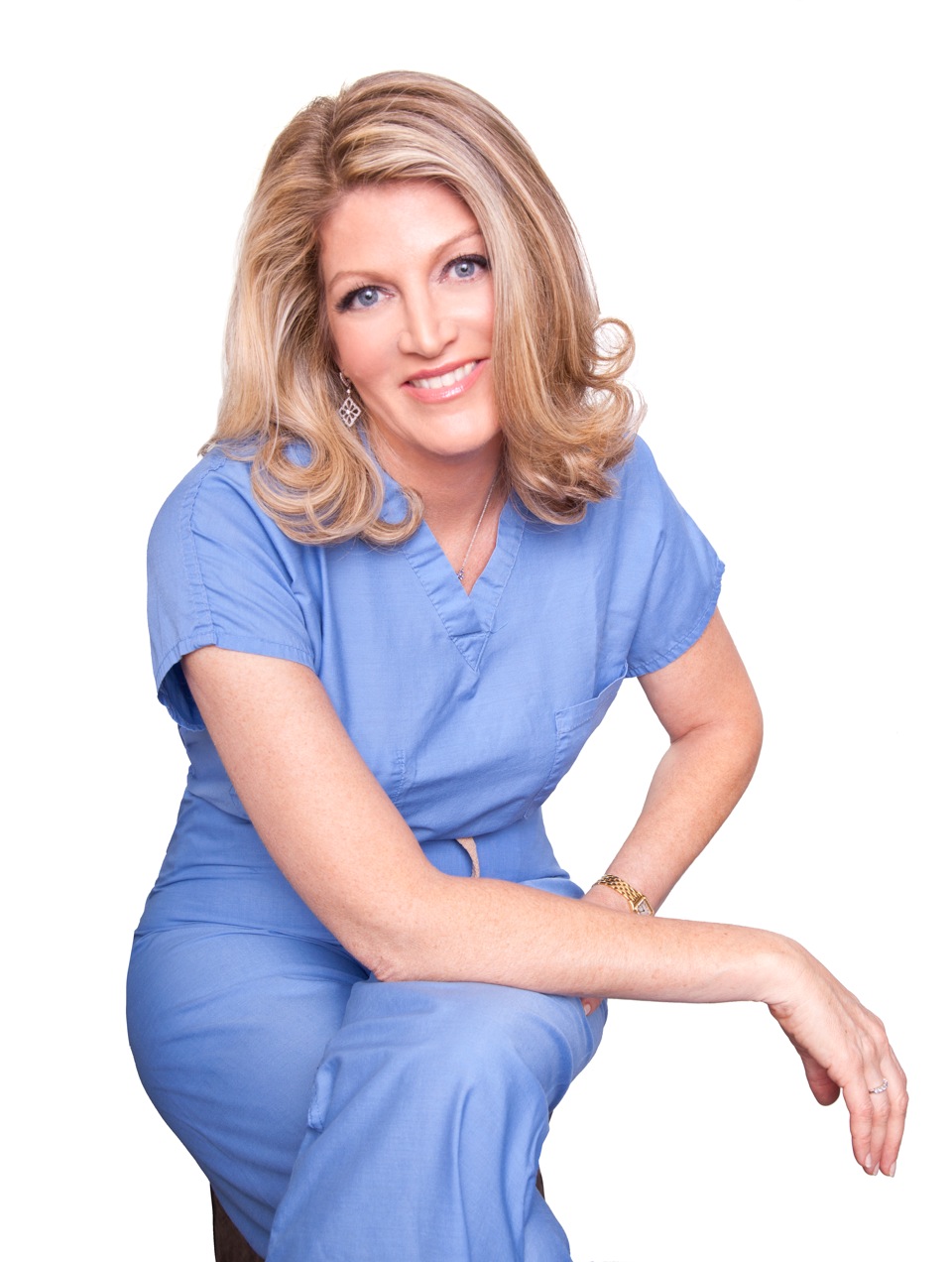
Dr. Yagoda of Manhattan/ NYC, New York is both an otolaryngologist (a specialist in the care of the ear, nose, and throat) and a facial plastic surgeon. She can diagnose and expertly treat all functional and aesthetic nasal concerns. To determine what’s best for you, call our Manhattan/ New York City (NYC) office to schedule a personal consultation.