




























Many of us liken a dripping or bleeding nose to a faucet. Well, your nose is indeed just like a faucet: it has valves inside to regulate airflow!
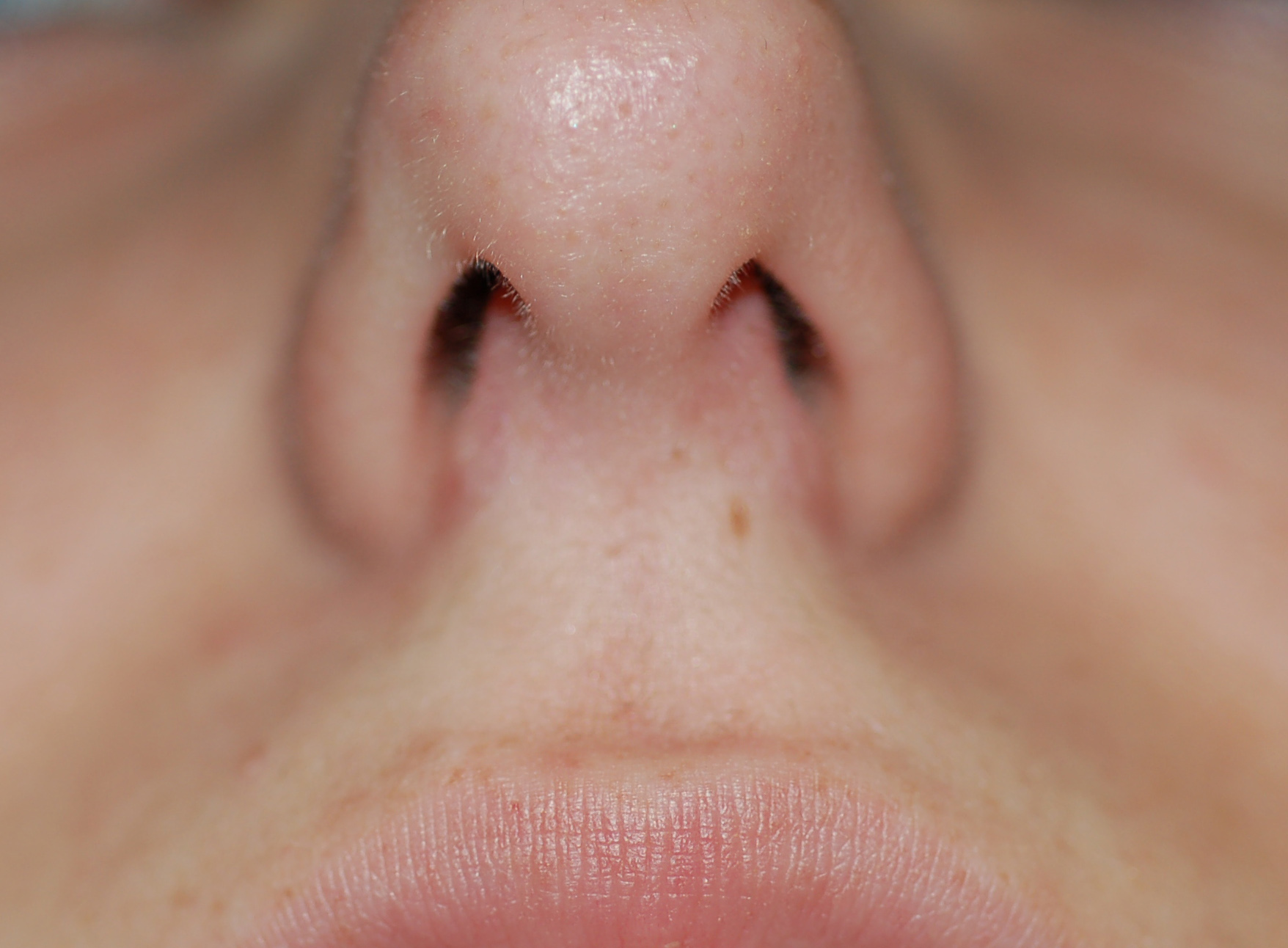
The nasal valves are located inside the tip of your nose, where your nostrils meet the bridge of the nose. The nasal valves open when you inhale so that air can enter freely. If, instead of expanding with inhalation, the nostril collapses, you may have a functional nasal valve collapse. In this case, the nostril typically appears normal at rest. In structural nasal valve collapse, there is a pinched look to the nostrils at rest, and the nostril does not open with inhalation, creating both a functional and aesthetic problem.
Causes of nasal valve collapse include structural birth defects such as a cleft nose and acquired defects resulting from cocaine abuse, trauma, or even a complication of nose job surgery. Because nasal valve collapse must be repaired structurally, surgery is the only permanent solution. While many cosmetic plastic surgeons use cartilage grafts to improve valve function, these grafts may not always be strong enough to provide long-term and desired results. In addition, these cartilage grafts typically broaden the tip of the nose, leaving a less than ideal aesthetic result. In New York City, NYC, and Manhattan, Dr. Yagoda is a facial plastic surgeon who has developed a newer rhinoplasty grafting technique that uses the same material typically used in joint replacement surgery. This allows her to more quickly and precisely restore nasal valve function without widening the nasal tip. In fact, this rhinoplasty surgery technique allows her limitless possibilities to improve nasal cosmetic appearance and function.
As both an otolaryngologist and facial plastic surgeon, Dr. Yagoda is able to both restore the function of the nose along with improving its appearance. Call our New York City/NYC/Manhattan office today to schedule your comprehensive rhinoplasty consultation.
The Procedure
Rhinoplasty to repair the nasal valves and improve the appearance and function of the nose can be performed in Dr. Yagoda’s New York City/Manhattan office-based surgical facility or in a NYC hospital, under local anesthetic with IV sedation or under general anesthesia. This nasal plastic surgery procedure takes between 45 minutes and two hours. The exact surgical technique is uniquely tailored by the plastic surgeon for each patient but most of the time, all incisions are made internally and there are no visible scars. Sometimes, an incision is made at the base of the nostrils and the incision is carefully hidden. For the right patients, Dr. Yagoda offers a newer, minimally invasive technique using Latera. Latera is an absorbable implant (same material that is used for many sutures) that supports weak cartilages and improves breathing and air flow. Results can last up to two years with Latera.
Recovery
You can return to work in about a week after your nasal valve functional rhinoplasty surgery and you’ll be able to use a stationary bike or treadmill by the second week. By the third week, you can return to full activities. Although you’ll see immediate improvement, your nose’s shape and your profile will continue to refine over the next 12 to 18 months.
Risks
Like all surgery, nasal valve rhinoplasty has certain risks including infection, bleeding, and reaction to anesthesia. Other risks include structural damage to the nose. Dr. Yagoda will discuss these potential risks as well as the benefits of this plastic surgery procedure in full during your consultation in her New York City/Manhattan office.
To determine if you might benefit from nasal valve surgery or functional rhinoplasty surgery, call Dr. Yagoda today to schedule your personal comprehensive plastic surgery consultation in her New York, NY office.
Read about Dr. Yagoda’s Integrative Post Operative Care Program
Flying In
From Quebec to Qatar, Dr. Yagoda’s patients come to New York City (NYC) and Manhattan from all over the world. Find out how we can help you get here from abroad.