





























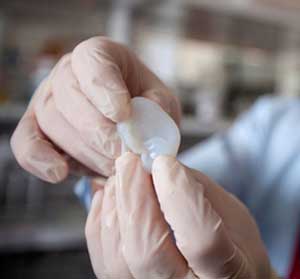
 Bioengineers and physicians at New York Presbyterian, formerly Cornell University Medical Center, have successfully used a 3-D printer with injectable gels made of living cells to create an artificial ear that looks like a human ear. Now that’s a win-win for medicine and science!
For people who were born without an ear (atresia), people born with a partial ear (microtia) and people who lost part or all of an ear from trauma or cancer, surgeons have long been using implants and grafts to reconstruct the ear. This 3-D artificial ear, made from living cells, is a major advance in that the reconstruction is likely to be more symmetric, more realistic and less likely to be rejected. Doctors and researchers predict that the first human implant of an artificial ear created by a 3-D printer may occur in as little as 3 years!
Photo credit: i.ytimg.com
 Junk food is undoubtedly linked to childhood obesity, yet big corporations market to children who are least aware of and least able to control the components of a
 Where do you get your beauty tips? From your mother? Your sister? Your friends? How do you decipher fact from fiction? Even if you resort to beauty
  Eating a
  As you can see on countless
  Ever wonder if having sex burns a lot of calories? How about if snacking during the day is good or bad? Is losing a lot of weight quickly, worse than losing a little slowly over the long term? After looking into the common
 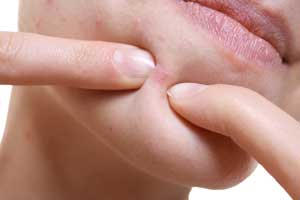 When it comes to beauty routines, who doesn’t have a bad habit? Unfortunately, some of these habits can cause more harm than good. Take a look at these 7 bad beauty habits; chances are that you’re familiar with one or more on the list. After making a few simple